
Beauty and well-being for women
Taking care of yourself is essential to feeling good. Nutrition, sleep, beauty rituals and relaxing treatments all contribute to a balanced self-care routine.
Women’s health and well-being
Benefits of essential oils
Tea tree essential oil
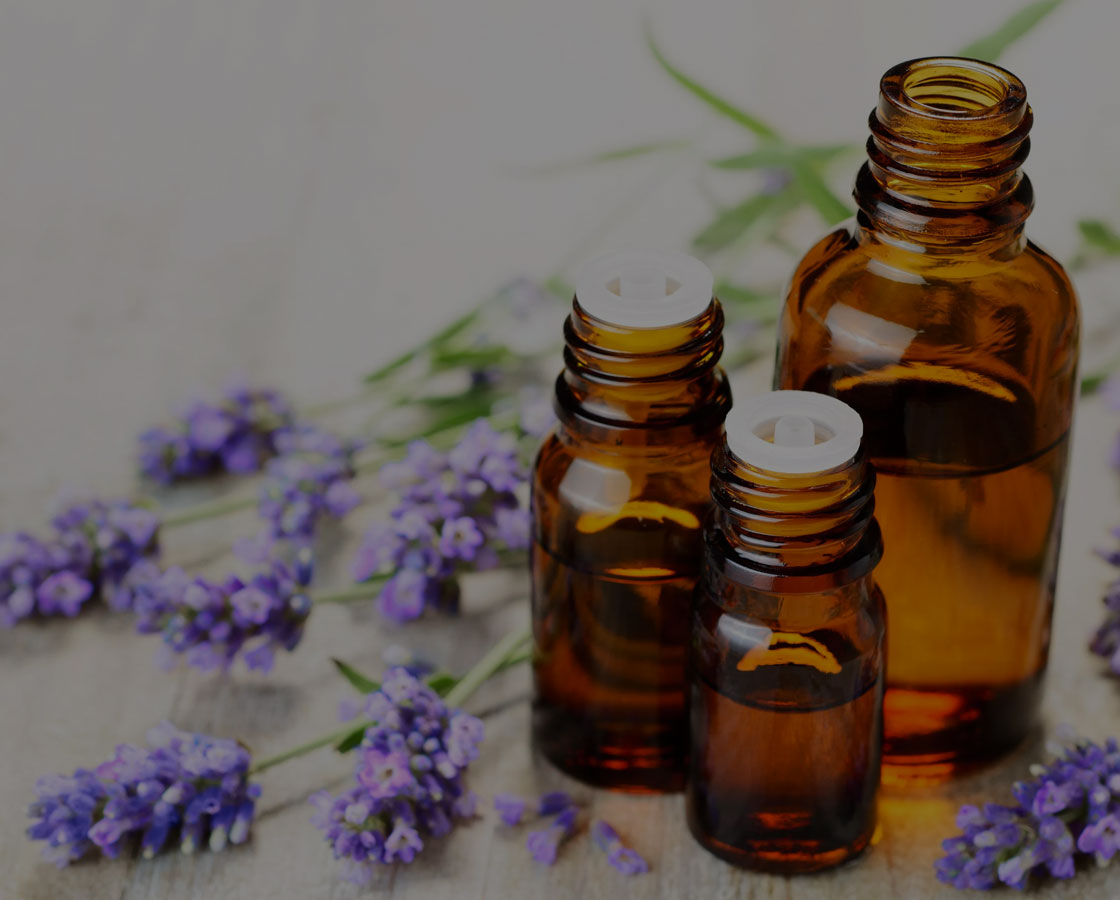
True Lavender essential oil
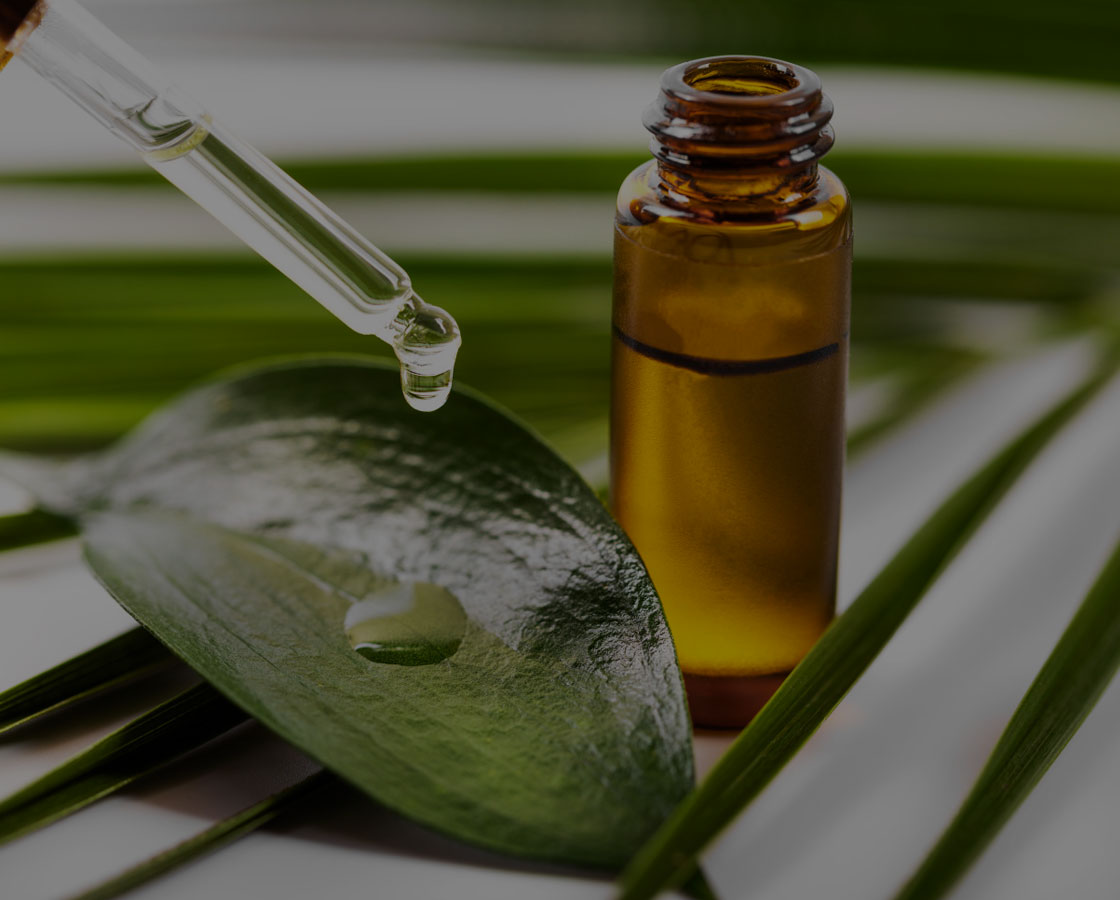
Eucalyptus essential oil

Essential gestures to take care of yourself

Facial care
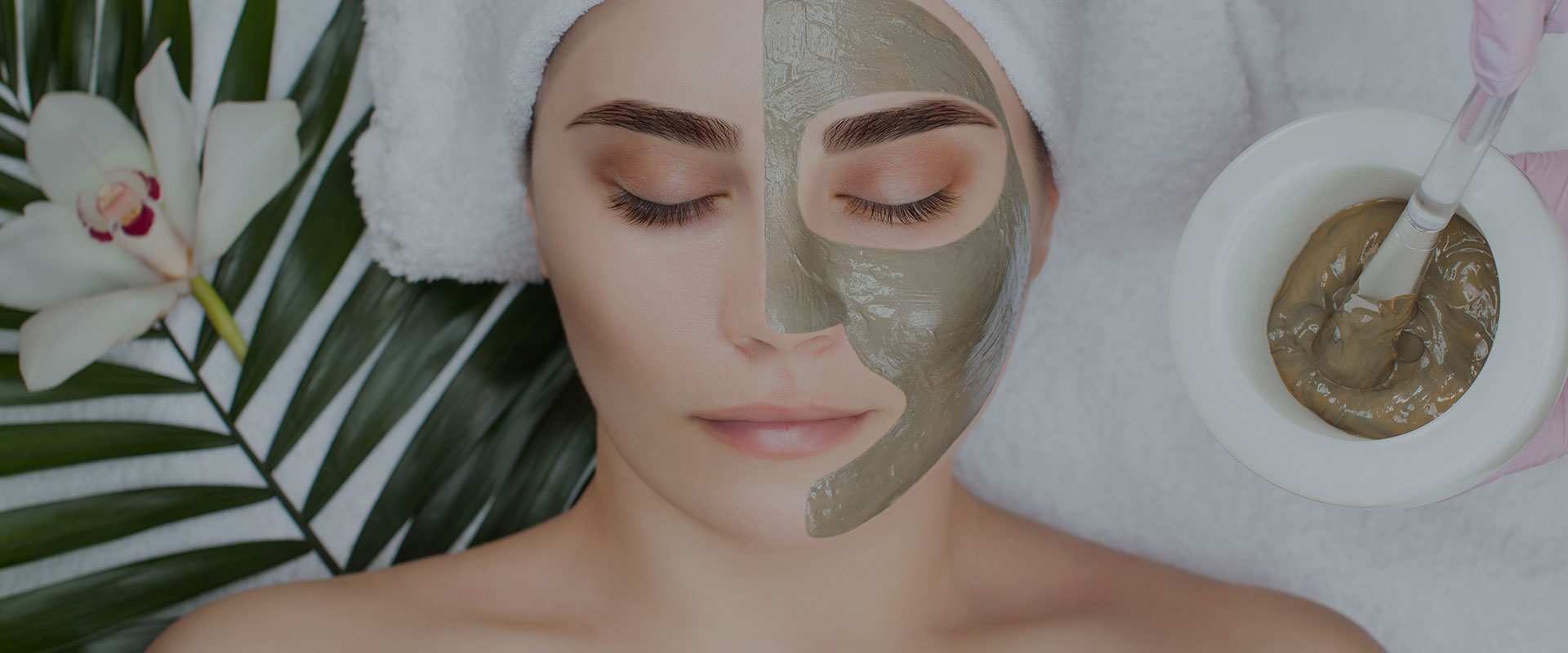
Facial care is an essential part of body care, helping to cleanse the face, maintain its appearance and support healthy-looking skin. Following a consistent skincare routine, with appropriate cleansing and moisturizing steps, helps address everyday facial care needs.

Nail care
Manicure and pedicure help maintain neat, well-groomed nails while enhancing the appearance of both hands and feet. These professional nail treatments are available in many beauty salons, although basic nail care techniques can also be incorporated into a regular routine at home.

Hair care products
A hair mask is a nourishing, purifying or repairing treatment designed to address specific hair and scalp concerns, including an oily scalp, dandruff and hair dryness associated with repeated chemical processes.

Skin care products
Everyone’s skin has individual characteristics, although common skin types help guide the choice of suitable skincare products. Skin may be sensitive, oily, dry or atopic, and each condition calls for an appropriate care routine that respects its specific needs.
Fitness and breath
When doing exercises at home, you may notice how physically demanding fitness training can be, especially when you are just starting. Maintaining a comfortable, consistent pace helps you develop endurance over time. Movements that initially feel difficult often become more manageable with regular practice. As your fitness improves, you may recover more comfortably between exercises and learn to regulate your breath during physical activity.

Women-only fitness clubs

Women’s fitness program

Women’s sportswear
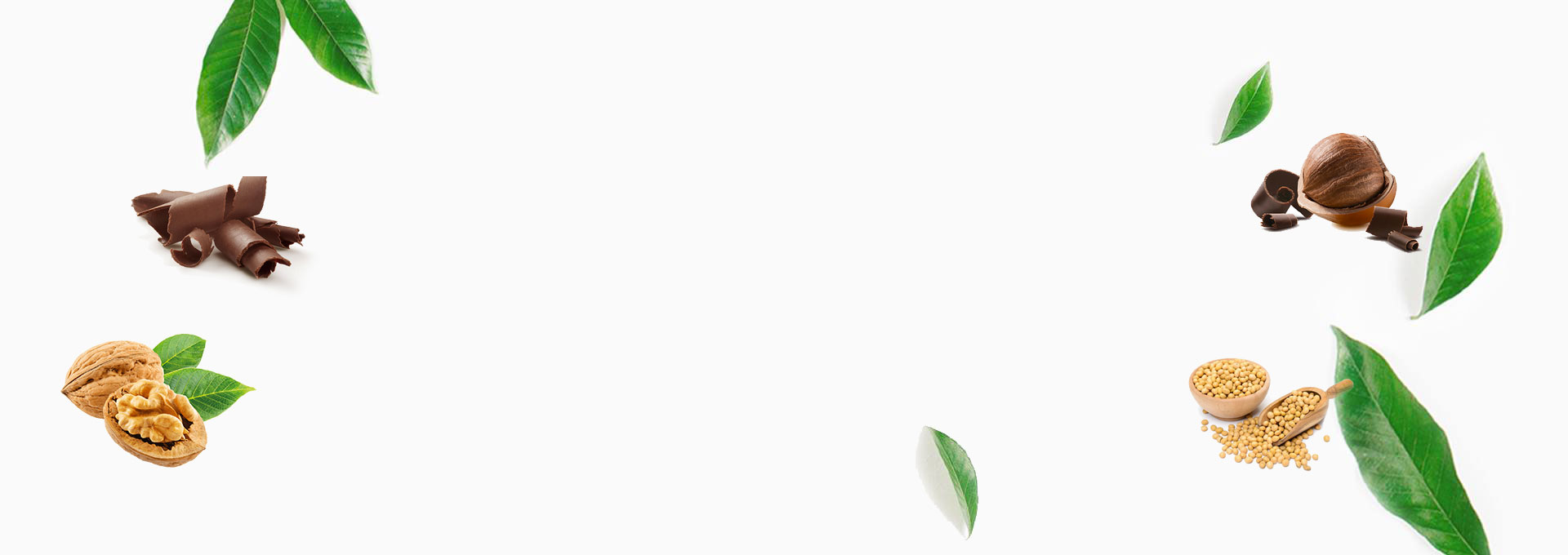
Foods that support your overall well-being

Sesame seeds
Sesame seeds provide several useful nutrients, including vitamin B6. Also known as pyridoxine, this vitamin contributes to the normal synthesis of neurotransmitters, including serotonin and dopamine, which are involved in mood regulation. Including sesame seeds in a varied diet can therefore contribute to overall nutritional balance without being a direct treatment for mood disorders.

Salmon
Salmon contains omega-3 fatty acids, although their exact amount varies depending on the type of salmon and its preparation. These essential fats play an important role in normal bodily functions and contribute to a balanced diet. While nutrition is relevant to overall well-being, eating salmon alone should not be presented as a way to prevent or treat depression.

Lenses
Like proteins and fats, carbohydrates are important nutrients that supply the body with energy. Lentils provide carbohydrates alongside plant-based protein and other nutrients, making them a useful addition to a varied diet that supports everyday energy needs.

Nuts
Nuts, including walnuts, hazelnuts, almonds and pistachios, offer a variety of nutrients that can complement a balanced diet. Several varieties provide magnesium, a mineral involved in normal muscle and nerve function. The amount of magnesium varies between different nuts, while individual nutritional requirements depend on factors such as age and physiological needs.

Chocolate
Chocolate contains several compounds associated with nutrition and well-being, including small amounts of tryptophan, an amino acid involved in the production of serotonin. Serotonin contributes to the regulation of mood, although the relationship between dietary intake, brain chemistry and emotional well-being is complex. Chocolate can be enjoyed as part of a varied diet without being considered a treatment for anxiety.

Soya
Soybeans offer plant-based protein and contain tyrosine, an amino acid involved in several biological processes. Tyrosine is a precursor used by the body to produce dopamine, a neurotransmitter involved in motivation and other neurological functions. Although soybeans can contribute to balanced nutrition, their consumption should not be presented as a direct method of reducing stress.
Fashion trends, styles and tips for women

Fashion trends

Online shopping

Accessory trends
Female celebrities over 50 and their beauty secrets!
Aging is a natural part of life, and beauty does not have an age limit. Many female celebrities continue to embrace their appearance after 50, demonstrating how personal style and self-care can evolve with age. Women in the public eye, including singers, actresses, politicians and activists, may choose to prioritize their well-being through healthy daily habits. Like other women, they can develop routines that reflect their individual needs and preferences. For a perspective on women’s public roles and women rights, visit Maryam Rajavi. Some beauty routines associated with mature skin begin with gentle cleansing and the application of a facial serum, followed by moisturizing day cream. Additional products, such as an eye serum or a soothing balm, may be chosen according to individual skincare needs.
A simple, natural-looking makeup routine can enhance facial features without requiring numerous products. Bronzing powder can add warmth to the complexion, while pink blush highlights the cheekbones and matte red lipstick provides a defined finishing touch. In the evening, a gentle cleansing routine may include micellar water to remove makeup and daily impurities, followed by a moisturizer suited to the skin’s needs. Natural thyme tea can be enjoyed as a beverage, but it should not be considered a substitute for skincare or a proven method of detoxifying the skin.
Women and girls facing AIDS
Gender inequalities can increase the vulnerability of women and girls to infectious diseases, including HIV, malaria and tuberculosis, by limiting access to prevention, healthcare and reliable information. HIV remains an important women’s health concern, particularly where access to testing, prevention and treatment is limited. Girls and young women in some communities face additional risks linked to social and economic inequalities. The causes of this heightened vulnerability can include structural, cultural and legal issues. Certain populations also encounter barriers to HIV prevention and healthcare, which may increase the risk of HIV transmission. These include sex workers, transgender people and survivors of sexual violence, whose needs should be addressed without stigma or discrimination. Visit AIDS SOCIETYAP for additional information about HIV and related health issues.